The Golden Age of The Television Sex Symbol
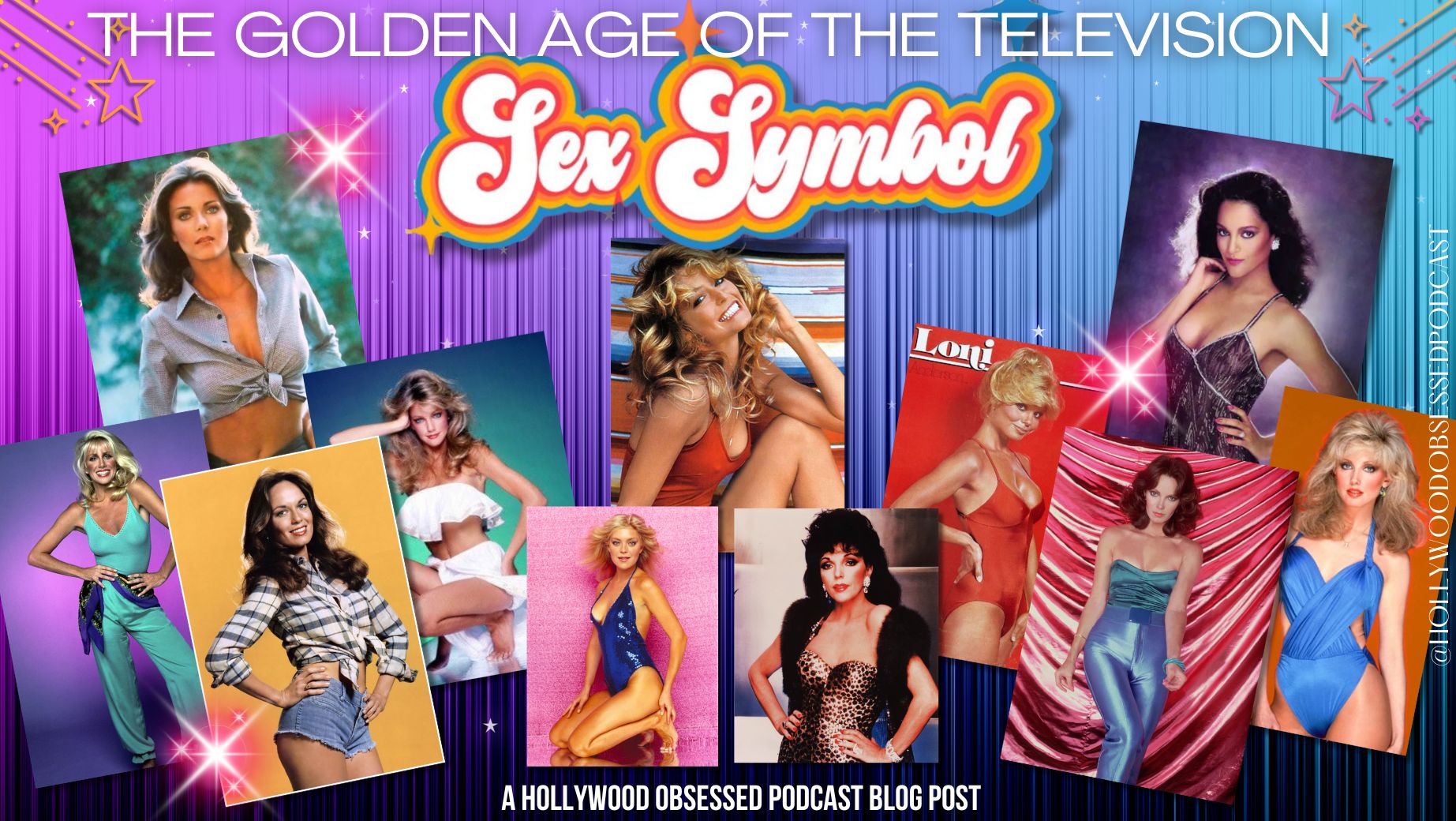
The 1970s marked a cultural turning point in America. Television was changing right alongside the country, becoming bolder, more daring, and far less conservative than it had been in previous decades. As social attitudes evolved, network television slowly began pushing the boundaries of what audiences expected to see in their living rooms. Along with memorable stories and iconic characters came a new generation of glamorous actresses whose beauty, confidence, and undeniable screen presence captivated millions of viewers each week.
These women weren’t just attractive—they became cultural phenomena. Their posters adorned bedroom walls, magazine covers celebrated them as the newest bombshells, and their television appearances became must-see events. Whether they were playing detectives, angels, reporters, sitcom sweethearts, or action heroines, they helped redefine the image of the television star. Thus began the golden age of the primetime TV sex symbol.
By the 1980s, the phenomenon had evolved even further. While younger actresses continued to capture the public’s imagination, audiences also embraced a new kind of sex symbol: sophisticated, confident, and powerful women who dominated the primetime soap operas. Week after week, stars from shows like Dallas, Dynasty, Falcon Crest, and Knots Landing dazzled viewers with equal parts glamour, ambition, and intrigue. They proved that sex appeal wasn’t just about beauty—it was about confidence, charisma, and commanding every scene they appeared in.
Of course, television had its share of male heartthrobs as well. Tom Selleck, Don Johnson, Mark Harmon, Lorenzo Lamas, and others became household names thanks to their rugged good looks and undeniable charisma. But it was the women of the 1970s and 1980s who truly dominated the conversation, becoming some of the most recognizable and influential pop culture icons of their generation.
Inspired by my recent two-part conversation with beloved Too Close for Comfort star Lydia Cornell—a bona fide 1980s sitcom sex symbol—on Episodes 179 and 180 of Hollywood Obsessed Podcast, I thought it would be fun to take a nostalgic trip back through television history and celebrate some of the unforgettable women who defined an era. From Farrah Fawcett’s record-breaking poster to the glamorous queens of primetime and the sitcom beauties who stole our hearts, these stars became much more than television actresses—they became legends of popular culture.
*************************************************
The 1970s
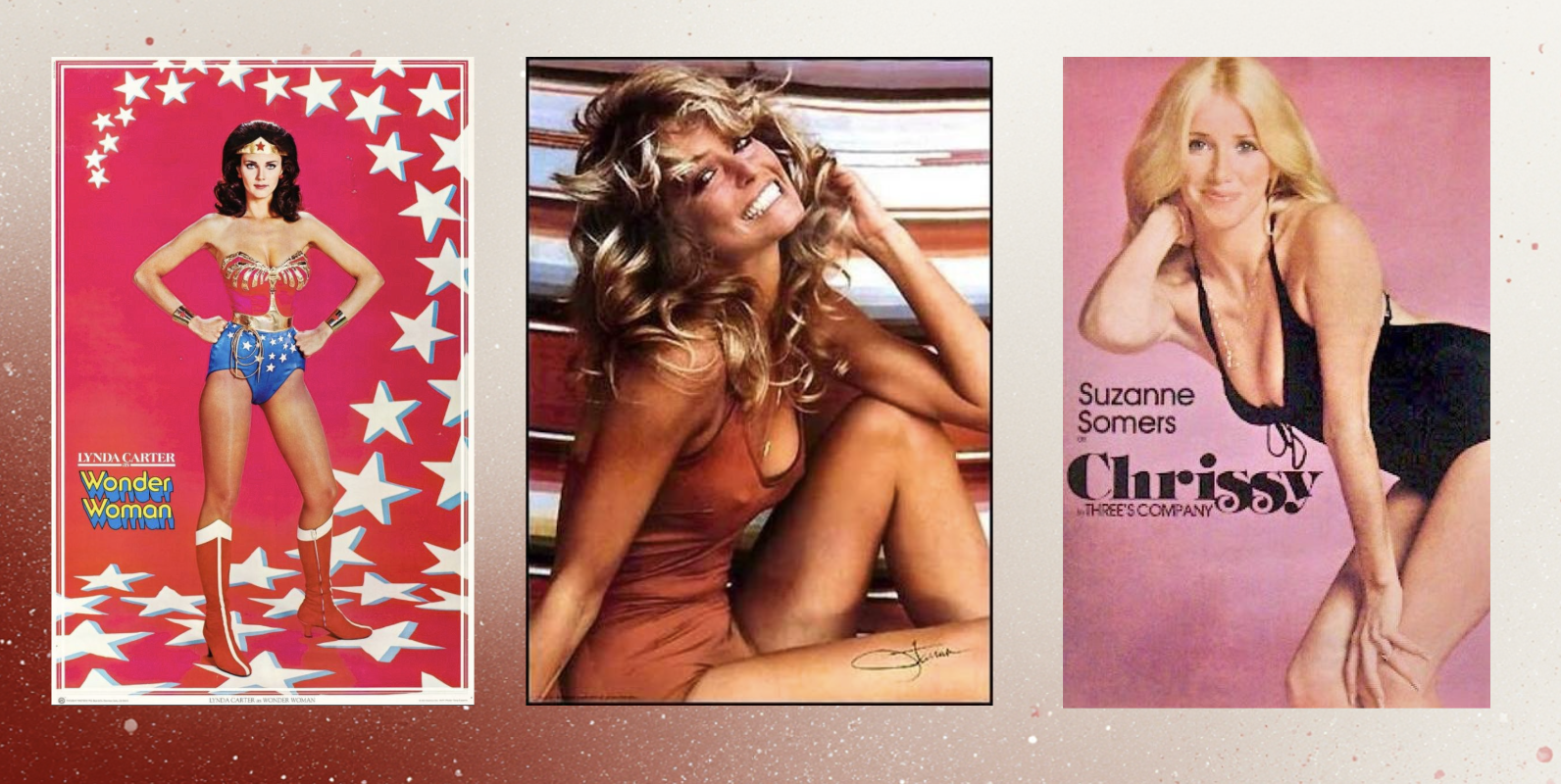
Farrah Fawcett (Charlie's Angels): No list of TV sex symbols would be complete without Farrah Fawcett. Months before she was cast as Jill Munroe on the soon-to-be television phenomenon “Charlie's Angels,” Pro Arts released what would become the most famous pin-up poster of all time—the iconic red swimsuit photo that turned Farrah into a global sensation.
The legendary image almost didn't happen the way you'd expect. Farrah did her own hair and makeup without a mirror, styling her signature feathered blonde hair with lemon juice. She picked the simple red one-piece swimsuit from her own closet to conceal a childhood scar on her stomach, and instead of a glamorous studio backdrop, photographer Bruce McBroom used a colorful Mexican blanket he happened to have in the trunk of his car.
The result was pure magic. The poster sold an astonishing six million copies in its first year and more than 12 million worldwide, making it the best-selling pin-up poster in history. Its impact was so enduring that in 2011, Farrah's original red swimsuit and a copy of the poster were donated to the Smithsonian's National Museum of American History, cementing its status as one of the most recognizable and influential images in American pop culture.
*************************************************
Lynda Carter (Wonder Woman): When Lynda Carter stepped into the star-spangled costume of Wonder Woman in 1975, she didn't just play a superhero—she became one. Fresh off winning the Miss World USA pageant, Carter brought a rare combination of beauty, strength, warmth, and confidence to the role, creating one of television's most enduring icons and setting the standard for every live-action superheroine who followed.
Her popularity exploded beyond television. Carter's Wonder Woman posters became must-have bedroom wall decorations for an entire generation, while her 1978 Pro Arts tied-shirt pin-up became one of the company's biggest-selling posters. Whether wielding the Golden Lasso or posing for the camera, she perfectly embodied the era's ideal of glamour and empowerment.
At the height of her fame, Carter became the face of Maybelline Cosmetics, serving as the company's spokeswoman for more than a decade. But acting wasn't her only talent. A gifted singer, she went on to build a successful concert career, headlining sold-out shows around the world, including engagements in Las Vegas and at London's prestigious Palladium. Nearly 50 years later, Lynda Carter remains the definitive Wonder Woman—and one of television's most beloved sex symbols.
*************************************************
Suzanne Somers (Three's Company): Few television stars defined the late 1970s quite like Suzanne Somers. As the sweet, bubbly, and hilariously naïve Chrissy Snow on Three's Company, she transformed the "dumb blonde" stereotype into an irresistibly lovable character, becoming one of the decade's biggest television sex symbols.
Her famous 1977 promotional poster as Chrissy became an instant sensation, adorning the bedroom walls of millions of fans and helping propel Three's Company into the pop culture stratosphere. The show's enormous success—and Somers' skyrocketing popularity—quickly made her one of television's brightest stars, earning her the cover of Newsweek in 1978 and elevating her from sitcom actress to national phenomenon.
Although her highly publicized departure from Three's Company shocked fans, Somers refused to let it define her career. Alongside her husband and manager, Alan Hamel, she reinvented herself as an actress, bestselling author, businesswoman, and fitness entrepreneur. She posed for Playboy in 1980 and 1984, became the unforgettable face of the ThighMaster, and built a multimillion-dollar wellness empire. Today, her vintage Three's Company posters remain prized collectibles, capturing the moment Suzanne Somers became one of television's most unforgettable icons.
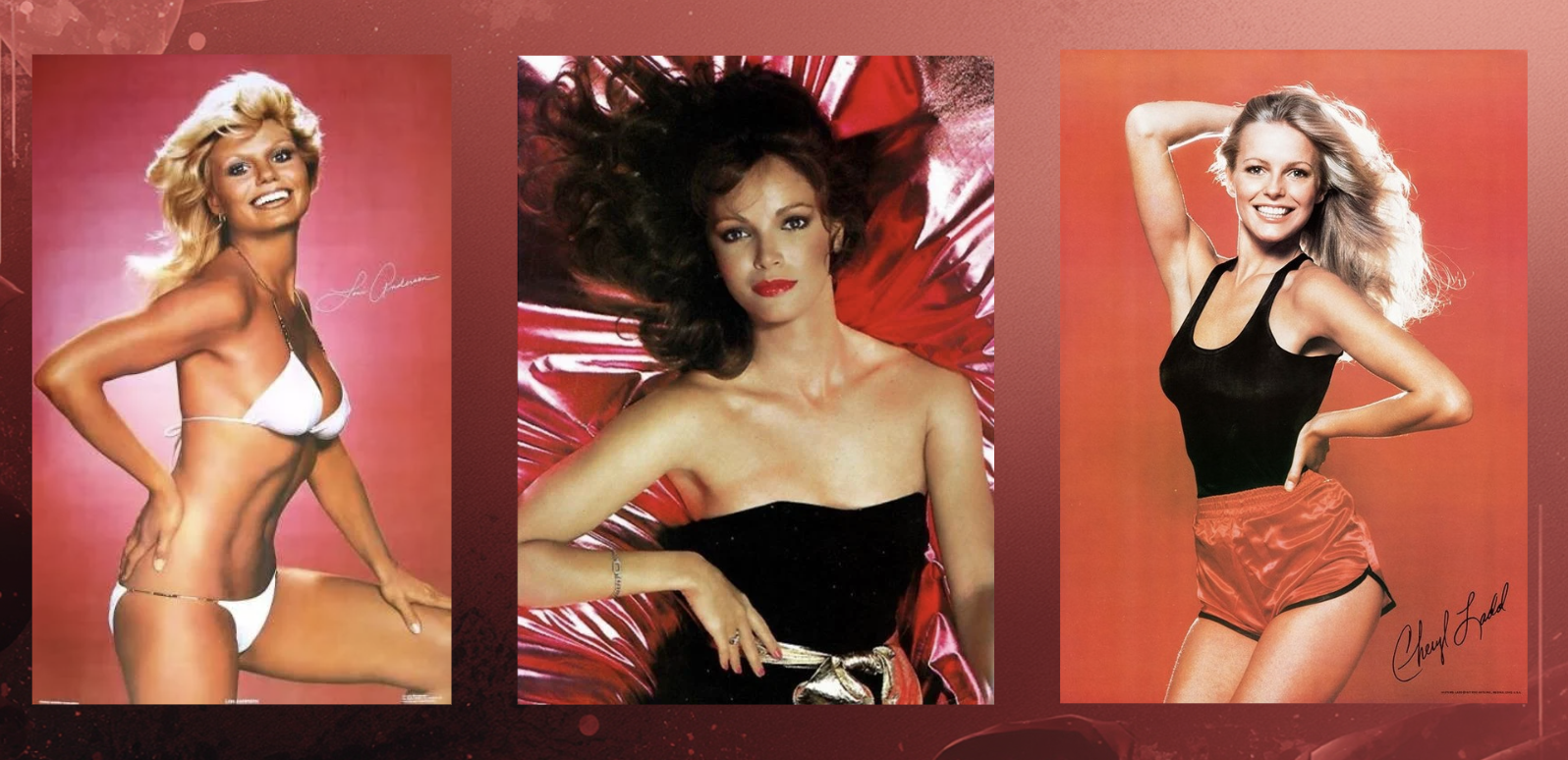
Loni Anderson (WKRP in Cincinnati): Loni Anderson became one of television’s most glamorous sex symbols thanks to her unforgettable role as the intelligent and stunning Jennifer Marlowe on the hit CBS sitcom WKRP in Cincinnati. While Jennifer was often underestimated because of her beauty, the character routinely proved she was the smartest person in the room—a refreshing twist on the classic blonde bombshell stereotype.
Before the series made her a household name, Anderson posed for a 1978 promotional poster in a red swimsuit that deliberately echoed the success of Farrah Fawcett’s legendary pin-up. The image generated tremendous attention, helping raise her profile in Hollywood and paving the way for her breakout role on WKRP in Cincinnati. As the show’s popularity soared, Anderson became a fixture on magazine covers and regularly topped viewer polls as one of television’s most beautiful women.
With her platinum-blonde hair, dazzling smile, and old-Hollywood glamour, Anderson drew frequent comparisons to screen legends Marilyn Monroe and Jayne Mansfield. She later paid tribute to one of her idols by portraying Mansfield in the 1980 television biopic The Jayne Mansfield Story.
Anderson always embraced her bombshell image with humor and confidence. Looking back on her famous pin-up posters, she once joked that she posed for them so her future grandchildren would know what she looked like in her prime. Today, those vintage posters remain beloved collectibles and a lasting reminder of one of television’s most iconic stars.
*************************************************
Jaclyn Smith & Cheryl Ladd (Charlie’s Angels): While Farrah Fawcett may have ignited the Charlie’s Angels phenomenon, Jaclyn Smith and Cheryl Ladd proved it was no passing fad. Together, they helped transform the series into a television sensation, becoming two of the defining sex symbols of the late 1970s. Their beauty, style, and charisma made them household names, while their posters became fixtures on bedroom walls around the world.
As the Charlie’s Angels craze exploded, Pro Arts capitalized on the show’s popularity by producing millions of celebrity pin-ups. When Cheryl Ladd joined the cast in Season 2 to replace Farrah Fawcett, expectations were enormous. So confident was Pro Arts in her appeal that it released two versions of her debut swimsuit poster—a more provocative edition for specialty retailers and a toned-down version for major department stores. Both became bestsellers, proving audiences had enthusiastically embraced television’s newest Angel.
Jaclyn Smith offered a different kind of glamour. Rather than emphasizing the classic swimsuit bombshell image, her posters showcased sophistication and elegance, highlighting her flowing brunette hair, timeless beauty, and effortless style. She became known as the “classy” Angel, providing the perfect complement to her blonde co-stars.
Unlike many stars who found themselves typecast by their beauty, both women successfully reinvented themselves. Smith built a groundbreaking lifestyle and fashion empire, becoming one of the first actresses to transform her celebrity into a retail brand, while Ladd expanded her career through television, film, music, and writing, proving she was far more than just a pretty face. Nearly 50 years later, Smith and Ladd remain enduring symbols of the glamour, confidence, and cultural impact of Charlie’s Angels.
*************************************************
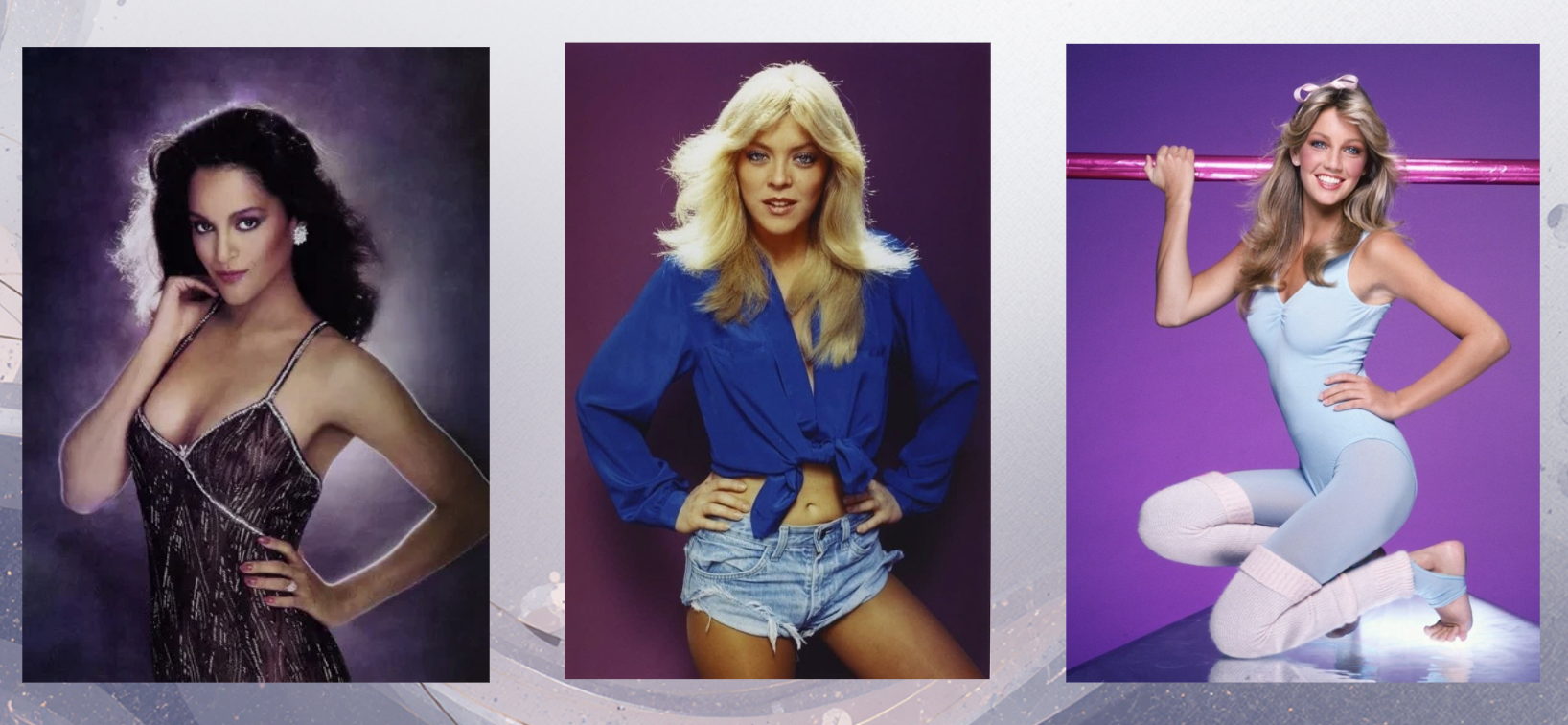
Jayne Kennedy (The NFL Today): Few women embodied beauty, athleticism, and confidence quite like Jayne Kennedy. During the late 1970s and early 1980s, she shattered barriers as one of television’s first high-profile Black sportscasters while simultaneously becoming one of America’s most celebrated sex symbols. Her glamorous pin-up posters, magazine covers, and television appearances made her a cultural icon whose influence extended far beyond sports.
Kennedy first made history in 1970 when she became the first Black woman crowned Miss Ohio USA, launching a successful career in modeling and television. She reached an even bigger audience in 1978 when she joined CBS’s The NFL Today, breaking new ground as one of the first Black women in a nationally prominent sports broadcasting role. Her intelligence, charisma, and striking screen presence made her a standout every Sunday and helped redefine what a sports television personality could be.
As the celebrity poster craze reached its peak, Kennedy’s swimsuit and fitness-themed pin-ups became bestsellers, while her magazine appearances cemented her status as one of the era’s most admired women. In 1981, she made history as the first African American actress to appear on the cover of Playboy. Her impact was recognized by Ebony, which named her one of the “20 Greatest Sex Symbols of the 20th Century,” while Coca-Cola honored her as “The Most Admired Black Woman in America.” More than four decades later, Jayne Kennedy remains a pioneering figure whose beauty, talent, and groundbreaking achievements helped redefine American television.
The 1980s
Lydia Cornell (Too Close for Comfort): As the bubbly, beautiful Sara Rush on ABC’s hit sitcom Too Close for Comfort, Lydia Cornell became one of television’s breakout sex symbols of the early 1980s. With her radiant smile, signature feathered blonde hair, and impeccable comedic timing, she perfectly captured the era’s “California girl” image while proving she was far more than just another pretty face.
Cornell’s popularity on the series quickly made her a pin-up sensation. Her promotional posters—often featuring metallic swimsuits, tied-up blouses, and sun-kissed beach glamour—became bedroom wall staples for teenagers across America, cementing her status as one of the decade’s most recognizable television beauties. Her success also led to guest appearances on hit series such as The Love Boat and Fantasy Island, as well as features in magazines around the world.
Beyond acting, Cornell showcased her athleticism in numerous televised celebrity sports competitions, adding another dimension to her all-American appeal. More than four decades later, she remains a beloved television icon whose charm, humor, and natural beauty continue to resonate with fans.
Want to hear the real story behind Lydia’s rise to fame? In Episodes 179 and 180 of Hollywood Obsessed Podcast, Lydia joins me for an unforgettable two-part conversation, sharing candid, funny, and often surprising behind-the-scenes stories about Too Close for Comfort, becoming one of television’s biggest sex symbols, and navigating Hollywood in the 1980s. It’s a fascinating look back at one of TV’s most memorable eras. Click HERE to listen now!
*************************************************
Heather Locklear (T.J. Hooker, Dynasty): Few actresses embodied 1980s glamour quite like Heather Locklear. With her sun-kissed California beauty, signature feathered blonde hair, and effortless girl-next-door charm, she became one of the decade’s most recognizable television stars—and one of its biggest pin-up sensations. Her posters adorned bedroom walls around the world, cementing her status as an enduring pop culture icon.
Locklear’s rise as a pin-up star coincided with her breakout role on the ABC police drama T.J. Hooker in 1982. Her commercial posters—sold in malls and retailers like Spencer’s Gifts—became instant bestsellers, featuring her in the quintessential fashions of the era, from swimsuits and tight denim to athletic wear inspired by the fitness craze that defined the decade.
While audiences admired her beauty, Locklear also proved she had the talent to match. She simultaneously starred in two of producer Aaron Spelling’s biggest hits, T.J. Hooker and Dynasty, where her portrayal of the scheming Sammy Jo Carrington made her one of prime-time television’s most memorable stars. Alongside The Fall Guy star Heather Thomas, Locklear dominated the celebrity poster market during the mid-1980s, with the two blonde bombshells becoming the era’s most sought-after pin-up queens.
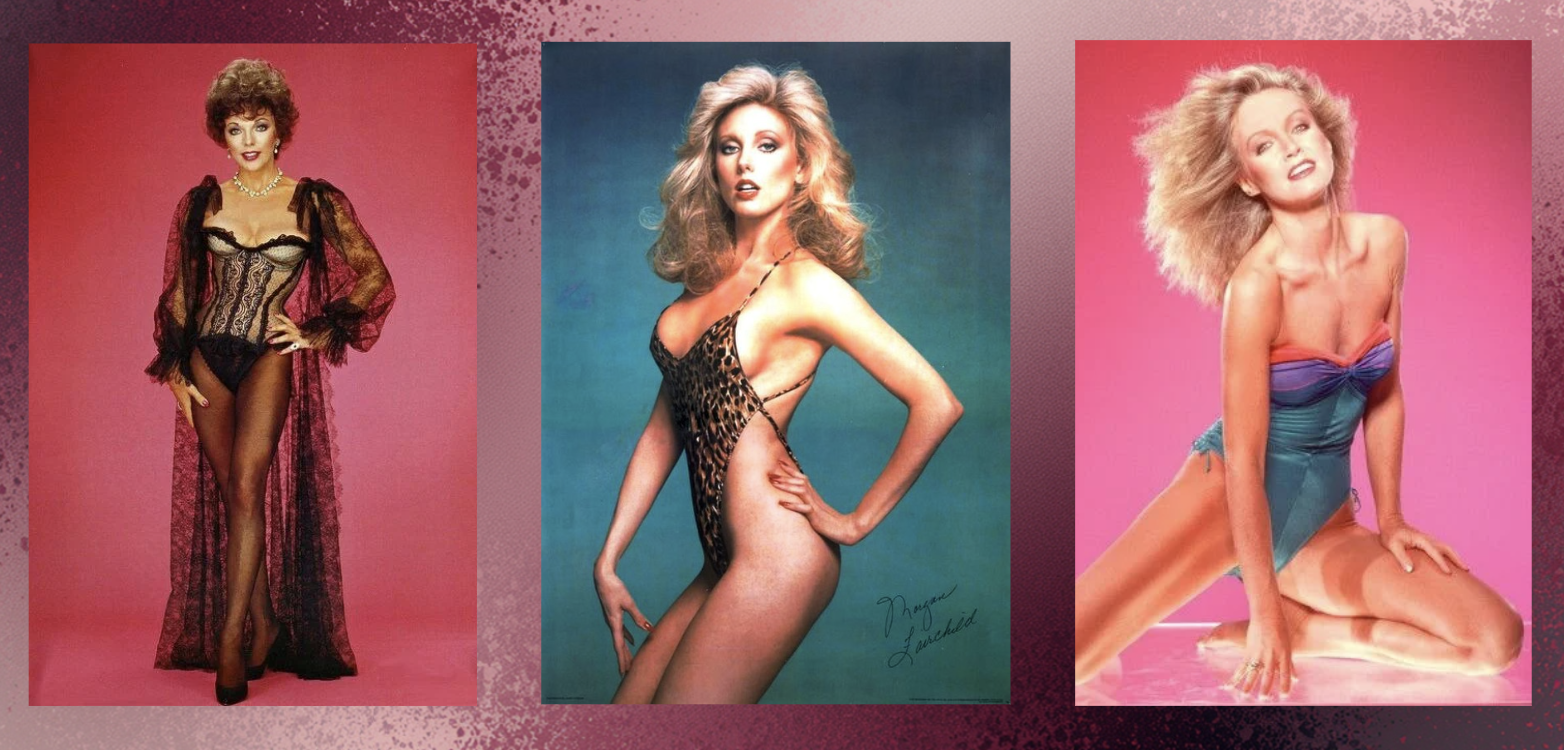
Morgan Fairchild (Flamingo Road, Dallas): With her piercing blue eyes, flawless blonde hair, and unmistakable old-Hollywood glamour, Morgan Fairchild became one of the defining television bombshells of the 1980s. Best known for playing sophisticated, seductive, and often calculating women on prime-time soaps such as Flamingo Road and Dallas, Fairchild effortlessly combined elegance with irresistible sex appeal, making her one of the decade's most recognizable pin-up icons.
Fairchild's rise to fame perfectly coincided with the celebrity poster boom of the late 1970s and 1980s. Her glamorous image—captured by renowned photographers including Douglas Kirkland and Mario Casilli—appeared on a series of bestselling posters featuring her in chic evening wear, glamorous swimwear, striking red leotards, and sultry poolside settings. Distributed by companies such as Silver Screen and Movie Market, her posters became bedroom-wall staples for fans around the world.
While her beauty made her a poster queen, Fairchild also built an impressive acting career that stretched far beyond her bombshell image. She became a familiar face on some of television's biggest hits, including Flamingo Road, Dallas, Falcon Crest, Murphy Brown, and countless guest appearances, proving she had the talent and versatility to enjoy a career that has spanned more than five decades.
At the height of her popularity, Fairchild's poster sales rivaled those of other iconic blondes such as Farrah Fawcett, Heather Thomas, and Heather Locklear. Today, her vintage pin-ups remain highly collectible, serving as enduring reminders of an actress who perfectly embodied the glamour, sophistication, and unmistakable style of 1980s television.
*************************************************
Joan Collins (Dynasty): As the unforgettable Alexis Carrington on Dynasty, Joan Collins redefined what it meant to be a television sex symbol. Radiating power, wealth, confidence, and unapologetic glamour, she proved that beauty and sensuality only become more captivating with age, shattering the long-held Hollywood myth that women over 40 could no longer be leading sex symbols.
Although Collins had already enjoyed a successful film career spanning three decades, it was her arrival on Dynasty at the start of its second season in 1981 that transformed her into an international superstar. Her portrayal of the cunning, impeccably dressed Alexis became one of television's greatest villains, helping propel the series into a worldwide phenomenon and making Collins one of the defining pop culture icons of the 1980s.
Her immense popularity extended far beyond the small screen. Posters and magazine spreads celebrated her timeless beauty, flawless hairstyles, dazzling jewelry, and luxurious designer wardrobe. Whether posing in elegant evening gowns or glamorous lingerie, Collins embodied a sophisticated, mature sensuality that stood in sharp contrast to the youthful pin-up stars of the era.
More than just a bombshell, Joan Collins became a symbol of confidence, ambition, and female empowerment. Her enduring appeal proved that glamour has no expiration date, making her one of the most distinctive and influential television sex symbols of all time.
*************************************************
Donna Mills (Knots Landing): As the irresistible Abby Cunningham on Knots Landing, Donna Mills became one of television's most unforgettable femme fatales. Beautiful, intelligent, ambitious, and endlessly manipulative, Abby was the ultimate vixen of the cul-de-sac, redefining the television villainess and making Mills one of the biggest sex symbols of the 1980s.
The phenomenal success of Knots Landing transformed Mills into a pin-up sensation. With her cascading blonde hair, sparkling blue eyes, and sophisticated wardrobe, she became a favorite of celebrity photographers and magazine editors alike. Unlike the swimsuit-heavy posters that dominated the previous decade, Mills' appeal was rooted in high-fashion glamour. Fans eagerly collected portraits of her in elegant evening gowns, chic resort wear, stylish swimwear, and luxurious boudoir-inspired photography that perfectly captured the opulence of the 1980s.
At the height of her fame, Mills appeared in two widely celebrated, non-nude Playboy cover features (October 1987 and November 1989), further cementing her place as one of the decade's most glamorous television icons. More than 40 years after Abby Cunningham first arrived on the cul-de-sac, Donna Mills remains the gold standard for the sophisticated, powerful, and irresistibly alluring television vixen.
*************************************************
SPECIAL MENTION
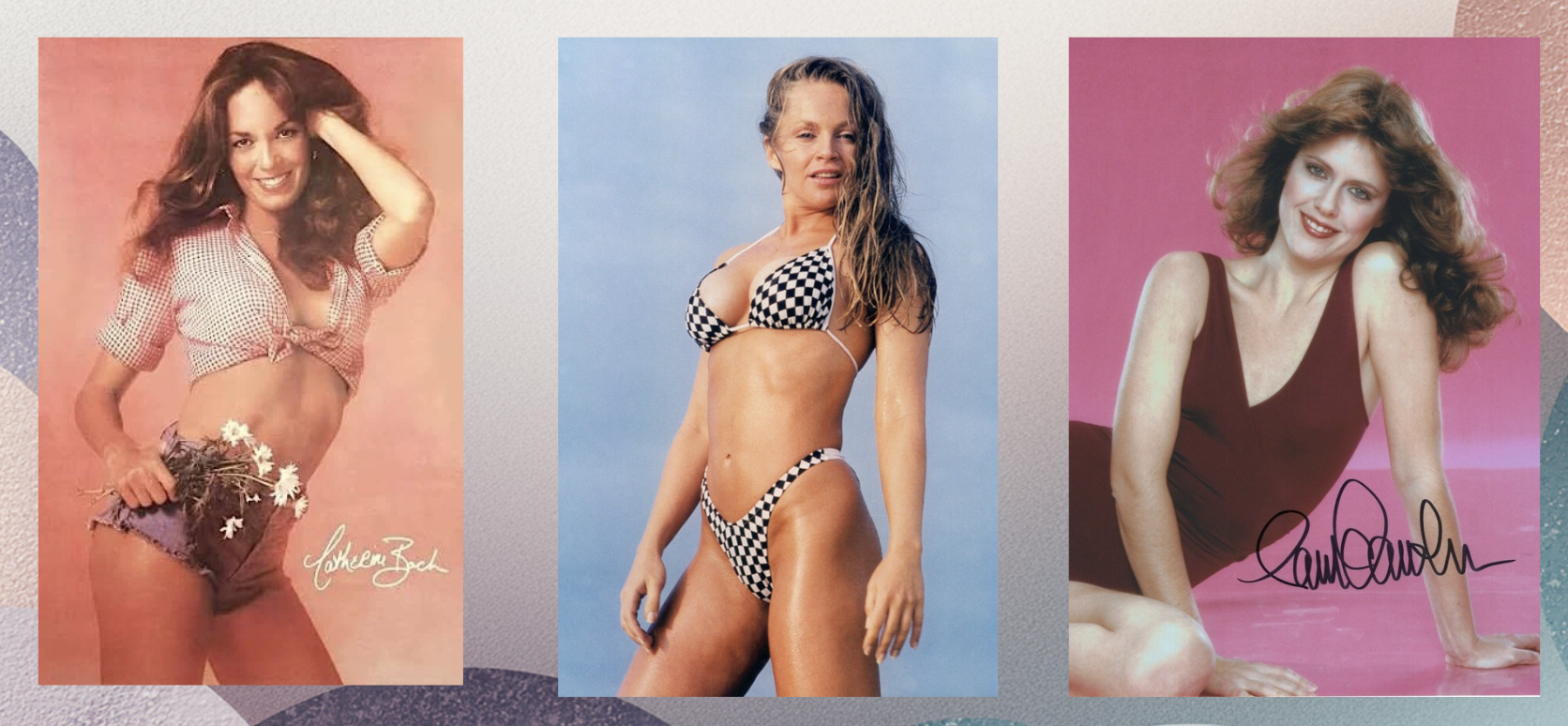
Catherine Bach (The Dukes of Hazzard): Catherine Bach became an overnight sensation in 1979 as the spirited Daisy Duke on The Dukes of Hazzard, creating one of television's most enduring sex symbols. With her wholesome country-girl charm, infectious smile, and signature denim cutoffs, Bach sparked a fashion phenomenon that forever immortalized the term "Daisy Dukes." According to legend, she created the iconic look herself by cutting off a pair of old jeans, although network censors required her to wear flesh-colored tights beneath the shorts to meet prime-time television standards. Her popularity soared even higher when a promotional pin-up poster released in 1979 became a cultural sensation, selling more than five million copies and cementing her status alongside Farrah Fawcett as one of the definitive poster queens of the late 1970s and early 1980s. More than four decades later, Daisy Duke remains one of television's most recognizable characters, and Catherine Bach's influence on pop culture and fashion continues to endure.
Pam Dawber (Mork & Mindy): As the sweet and lovable Mindy McConnell on the smash sitcom Mork & Mindy, Pam Dawber became America's quintessential girl next door. Starring opposite Robin Williams, her natural beauty, warm smile, and effortless charm made her one of television's most adored actresses. At the height of the show's popularity, Dawber's posters and magazine covers became fixtures on bedroom walls across the country, celebrating a wholesome appeal that perfectly balanced innocence with understated sex appeal. She proved that glamour didn't have to be flashy to capture the hearts of millions.
Charlene Tilton (Dallas): As the feisty Lucy Ewing on the blockbuster prime-time soap Dallas, Charlene Tilton became one of television's biggest breakout stars. Standing just 4-foot-11, she earned the media nickname "The Poison Dwarf," but there was nothing small about her popularity. Her playful personality, blonde curls, and girl-next-door beauty made her one of the late 1970s and early 1980s' hottest pin-up sensations. Her posters sold in huge numbers, magazine covers flew off newsstands, and fans embraced her as one of the defining young sex symbols of the Dallas phenomenon. To listen to my two-part interview with Charlene click HERE.
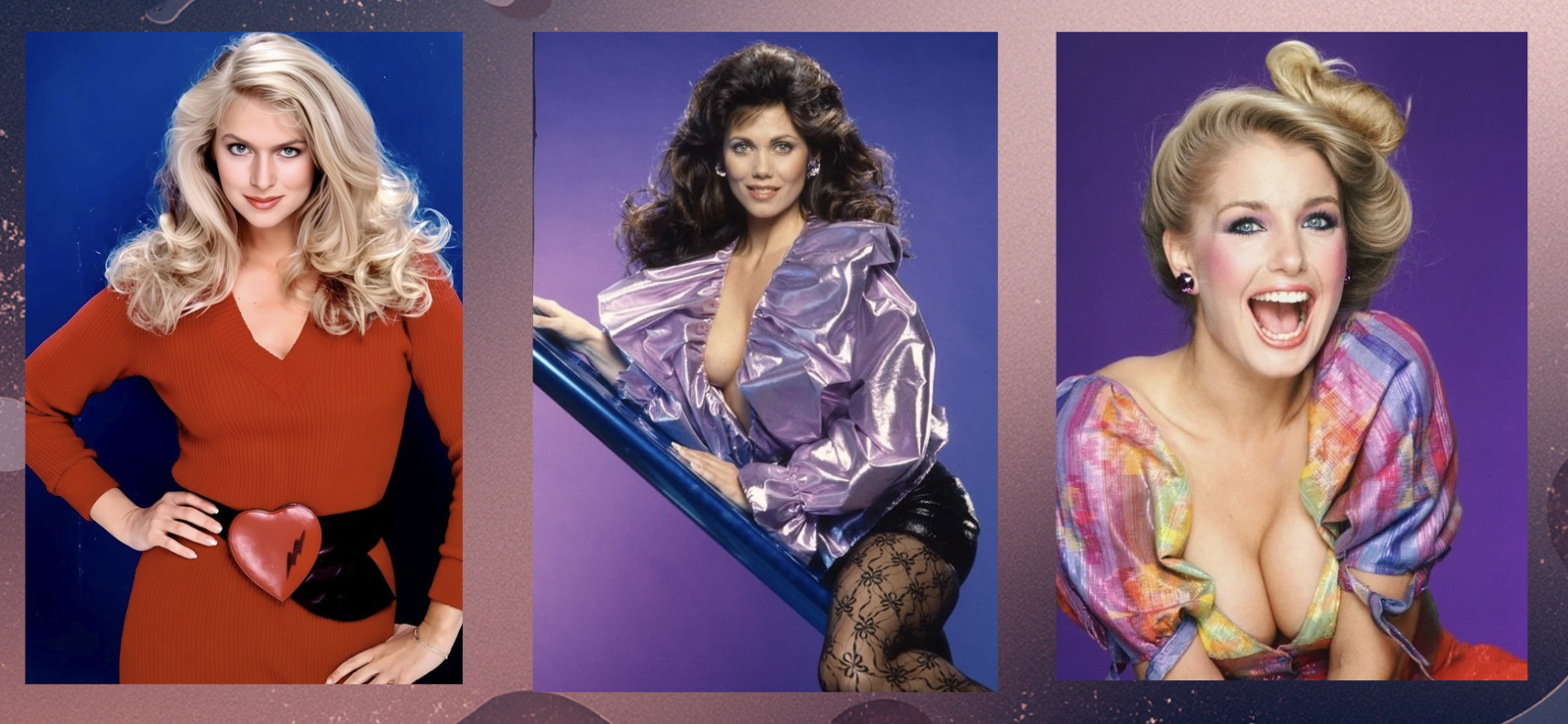
Donna Dixon (Bosom Buddies): Donna Dixon captured audiences' attention with her statuesque beauty and effortless elegance during the early 1980s. Best known for starring opposite Tom Hanks in Bosom Buddies, she quickly became one of television's most photographed actresses. Her glamorous publicity shots and swimsuit pin-ups made her a popular poster favorite, while her sophisticated yet approachable image distinguished her from many of the decade's more overt bombshells. Dixon's combination of classic beauty and comedic charm made her one of the era's most memorable television icons.
Heather Thomas (The Fall Guy): Few actresses defined the 1980s pin-up craze like Heather Thomas. As stuntwoman Jody Banks on The Fall Guy, she combined athleticism, confidence, and California glamour into one irresistible package. Her famous swimsuit and fitness-themed posters became some of the decade's biggest sellers, rivaling those of Farrah Fawcett and Heather Locklear. Sold in malls and poster shops around the world, Thomas' images became bedroom-wall staples and helped establish her as one of the most recognizable television sex symbols of the 1980s.
Deborah Shelton (Dallas): Deborah Shelton brought pageant-perfect glamour to prime-time television after winning Miss USA in 1970 and competing at Miss Universe. Her role as Mandy Winger on Dallas introduced audiences to one of the series' most captivating characters, while her timeless beauty made her a favorite of photographers, magazine editors, and poster publishers. Throughout the 1980s, Shelton's elegant publicity portraits and pin-up photography reflected the sophisticated glamour that defined the decade, earning her a place among television's most admired beauty icons.
*************************************************
Some facts featured in this article were sourced from IMDb and Wikipedia.
From Farrah Fawcett's legendary red swimsuit poster to Joan Collins' sophisticated glamour, television sex symbols helped define an era when posters covered bedroom walls, magazine covers became collectibles, and millions of viewers tuned in each week to watch their favorite stars. These remarkable women were more than just beautiful faces—they became cultural icons whose influence shaped television, fashion, and popular culture for generations.
If this trip down memory lane has you feeling nostalgic for the Golden Age of the Television Sex Symbol, be sure to check out my fascinating two-part conversation with 80s TV sex symbol, actress, Lydia Cornell on Hollywood Obsessed Podcast (Episodes 179 and 180).
Listen Here:
Episode 179: HERE
Episode 180: HERE

Growing up on the East Coast, Tony Miros developed a passion for acting at an early age, studying at New York City’s renowned Herbert Berghof (HB) Studio. He later attended Walnut Hill School for the Performing Arts in Natick, Massachusetts, where he trained in theater, dance, and voice.
Returning to New York to complete high school at The Beekman School, Tony began working professionally, appearing in commercials and making his Off-Broadway debut in "The House with the Seven Balconies" (La Casa de los Siete Balcones) alongside his mother, acclaimed actress and radio talk show host Gilda Mirós.
Tony continued his theater studies at Whittier College in Southern California before pivoting away from acting and relocating to Miami Beach, where he launched a successful career in public relations. It was there that he found his distinctive voice as a writer, creating the popular nightlife column "Beyond the Velvet Rope" for Miami Metro Magazine. The column established him as a celebrated South Beach personality, earning him the moniker “Mr. Nightlife.” Over the past two decades, Tony has built a diverse writing career, contributing to national and international publications including Angeleno Magazine, ReFresh Magazine (UK), and Time Out.
After moving to Los Angeles in 2005, Tony joined Warner Bros. Studios as a VIP Tour Guide before transitioning into casting at the Emmy Award-winning Bunim/Murray Productions. There, he worked on major series including MTV’s "The Real World" (Denver, Sydney, Hollywood), "Road Rules: … Read More
Trivia - Hocus Pocus