Great ‘Making Of’ Documentaries
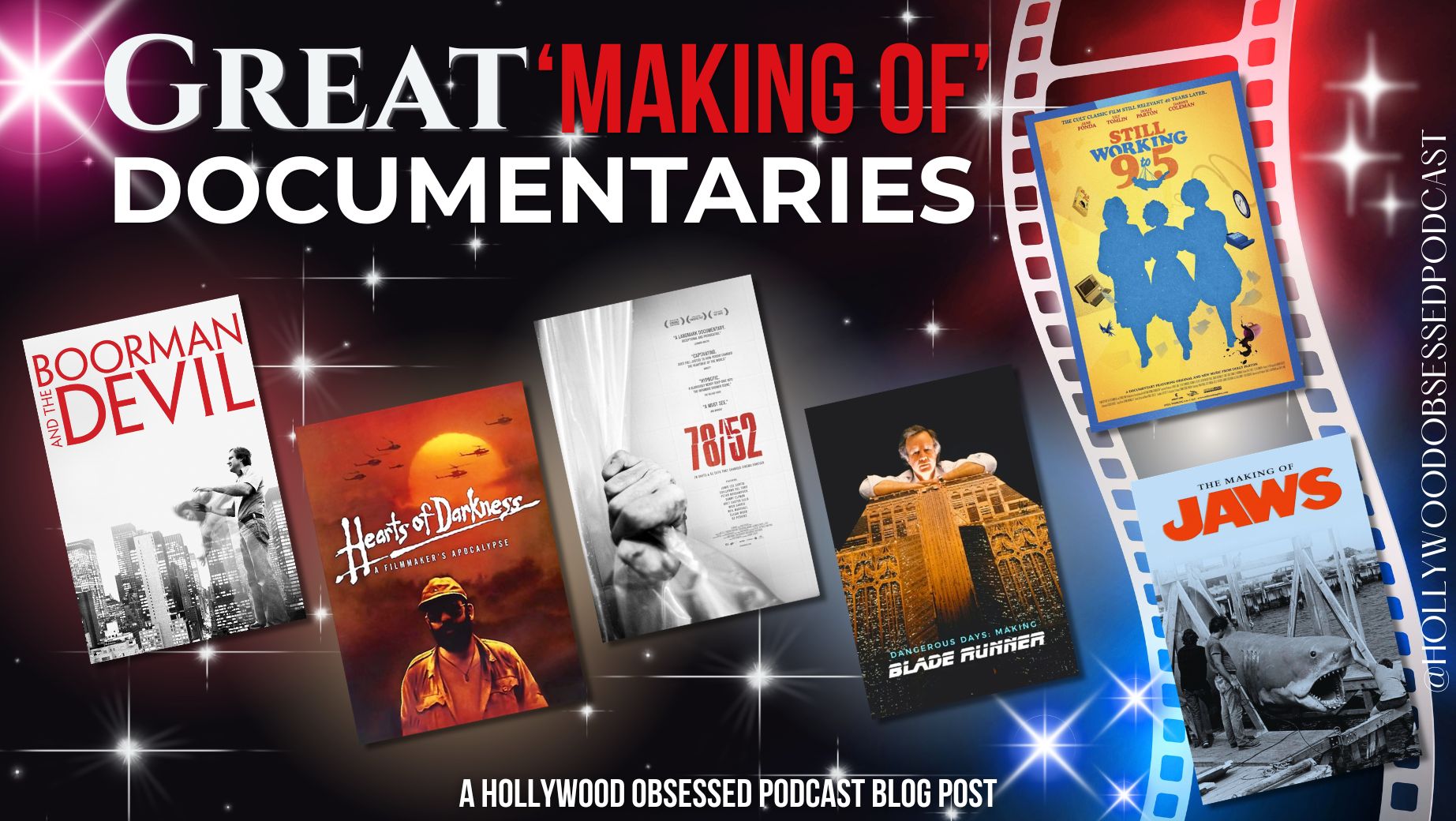
For an enthusiastic cinephile like me, there’s perhaps no type of film I’m more obsessed with than a great ‘Making Of’ documentary. I’m the kind of movie geek who devours every special feature offered on a DVD or Blu-ray. Yes, I still buy physical media—and so should you! After all, who wants to depend entirely on a streaming service that can decide, at any given moment, to remove that rare movie you love? Not me.
I also buy actual books—which I actually read. But I digress.
There’s something irresistible about getting a behind-the-scenes look at how a great movie came together: discovering why certain casting choices were made, learning about the production challenges, hearing the stories behind the creative decisions, and, of course, seeing all that wonderful behind-the-scenes footage and material that we’ve never seen before. When I’m immersed in a great “Making Of” documentary, I’m like Oliver Twist begging, “Please, sir, may I have some more?”
Who wouldn’t want to know how they managed to film the original summer blockbuster “Jaws” with a mechanical shark that seemed to be constantly breaking down? Or how the genius of Alfred Hitchcock meticulously constructed that legendary shower scene in “Psycho”? Then there’s the fascinating battle between publishing giant William Randolph Hearst and the young, brilliant, and famously cocky Orson Welles surrounding one of the greatest films ever made, “Citizen Kane.”
And, of course, there’s the ultimate cinematic production nightmare: Francis Ford Coppola’s Vietnam War epic “Apocalypse Now”—a film whose notoriously troubled production has become almost as legendary as the movie itself.
In honor of my recent conversation with acclaimed filmmaker David Kittredge, whose fascinating documentary “BOORMAN AND THE DEVIL” explores the troubled production, extraordinary ambition, and enduring legacy of John Boorman’s controversial Exorcist II: The Heretic”, featured on Episodes 189 & 190 of Hollywood Obsessed Podcast, I thought it would be fun to put together the official Hollywood Obsessed list of Great “Making Of” Documentaries.
Trust me, whether you’ve seen these documentaries before or are discovering them for the first time, this list will leave you wanting more—and hopefully send you straight to your Blu-ray shelf, streaming queue, or wherever you keep your favorite pieces of Hollywood history.
So sit back, grab some popcorn, and join me behind the scenes. Enjoy!
*************************************************
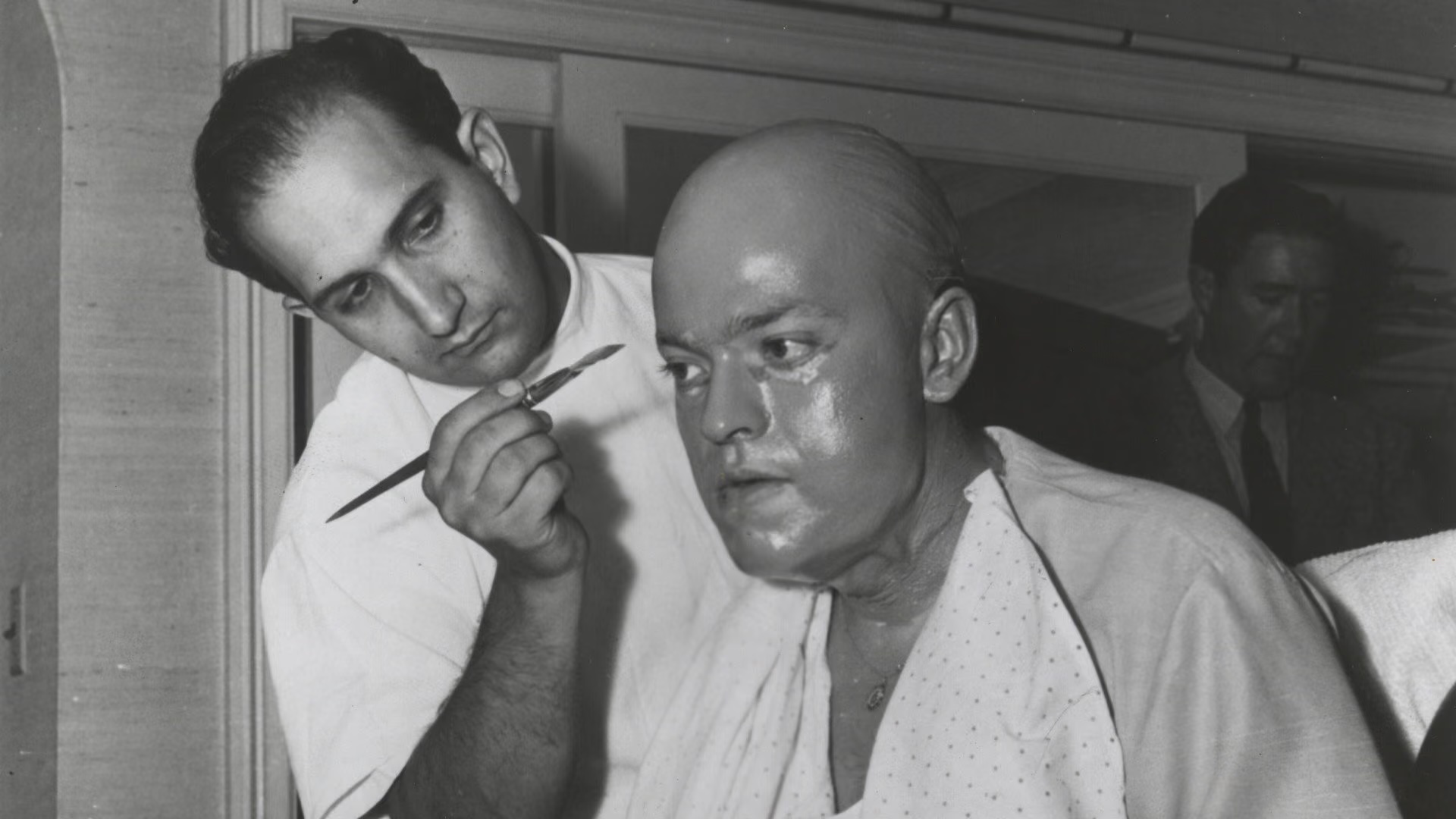
The Battle Over Citizen Kane (1996)
This documentary is a masterclass in nonfiction filmmaking because it presents the creation of Orson Welles’ masterpiece as far more than an artistic achievement. It becomes a ruthless, high-stakes battle between two towering American titans: a 25-year-old wunderkind at the beginning of his career and media mogul William Randolph Hearst. “Citizen Kane” was a thinly veiled critique of Hearst, and the documentary explores the extraordinary campaign to prevent the film from being seen, including pressure on theaters and efforts to use Hearst’s enormous newspaper empire to discredit Welles and the movie.
What makes the documentary so compelling is the fascinating psychological portrait it creates of these two men. Despite their different generations and backgrounds, Welles and Hearst shared striking similarities: both were fiercely ambitious, proud, controlling, and driven by an almost obsessive desire to shape their own legacies. Rather than simply examining how “Citizen Kane” was made, the film explores the much larger battle over whether it would even reach an audience.
While traditional making-of documentaries might concentrate on Gregg Toland’s revolutionary cinematography or Herman J. Mankiewicz’s screenplay, “The Battle Over Citizen Kane” reveals the enormous corporate and political obstacles surrounding the film’s release. Directors Thomas Lennon and Michael Epstein structure the documentary as a parallel biography, interweaving Welles’ meteoric rise in radio and theater with Hearst’s transformation into a media empire. Extraordinary archival footage, photographs, newspaper headlines, and interviews bring the Hollywood and media landscape of the era vividly to life.
And that is precisely why cinephiles love this documentary. It doesn’t simply explain how one of the greatest films ever made came together—it turns Hollywood history into a gripping thriller about power, ambition, censorship, celebrity, and artistic freedom. It’s the kind of “making-of” documentary that sends you straight back to the original film, eager to watch “Citizen Kane” with an entirely deeper appreciation for the extraordinary battle behind it.
*************************************************
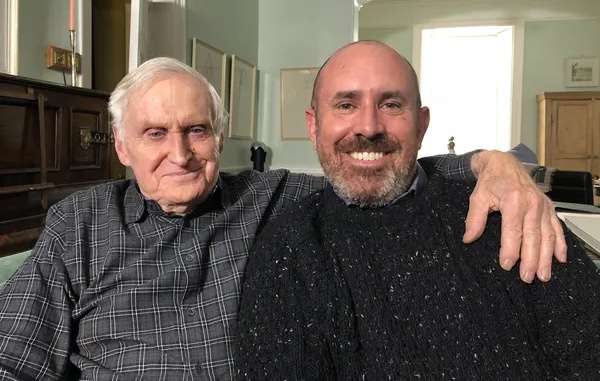
Boorman and the Devil (2025)
David Kittredge’s critically acclaimed documentary “Boorman and the Devil” chronicles the chaotic, star-crossed production of John Boorman’s notorious “Exorcist II: The Heretic” (1977). But rather than simply mocking a famous Hollywood flop, Kittredge takes a much more fascinating approach, exploring Boorman’s ambitious and highly idiosyncratic vision without asking us to forgive—or even love—the finished film. The documentary invites us to look beyond the movie’s reputation and discover the extraordinary story of how such an unconventional production came together.
And what a story it is! “Boorman and the Devil” uncovers a series of jaw-dropping production nightmares, including Boorman nearly dying after contracting a mysterious fever while filming on sand, endless script rewrites, ballooning budgets, and the unpredictable behavior of star Richard Burton. Kittredge brings the madness to life through rare behind-the-scenes footage, fascinating technical explanations of the film’s in-camera visual effects, wonderfully inventive animated recreations, and candid interviews with surviving cast and crew, including Linda Blair and the late Louise Fletcher. The result is the kind of filmmaking archaeology that cinephiles absolutely devour.
Want to hear more? Be sure to listen to Episodes 189 & 190 of Hollywood Obsessed Podcast, where I have a fascinating two-part conversation with director David Kittredge. David takes me behind the scenes of the making of “Boorman and the Devil,” sharing the incredible stories, discoveries, and filmmaking challenges that went into bringing this extraordinary piece of Hollywood history to the screen. If you love fascinating stories behind troubled movies—you won’t want to miss these two episodes.
Click HERE to listen now!
*************************************************
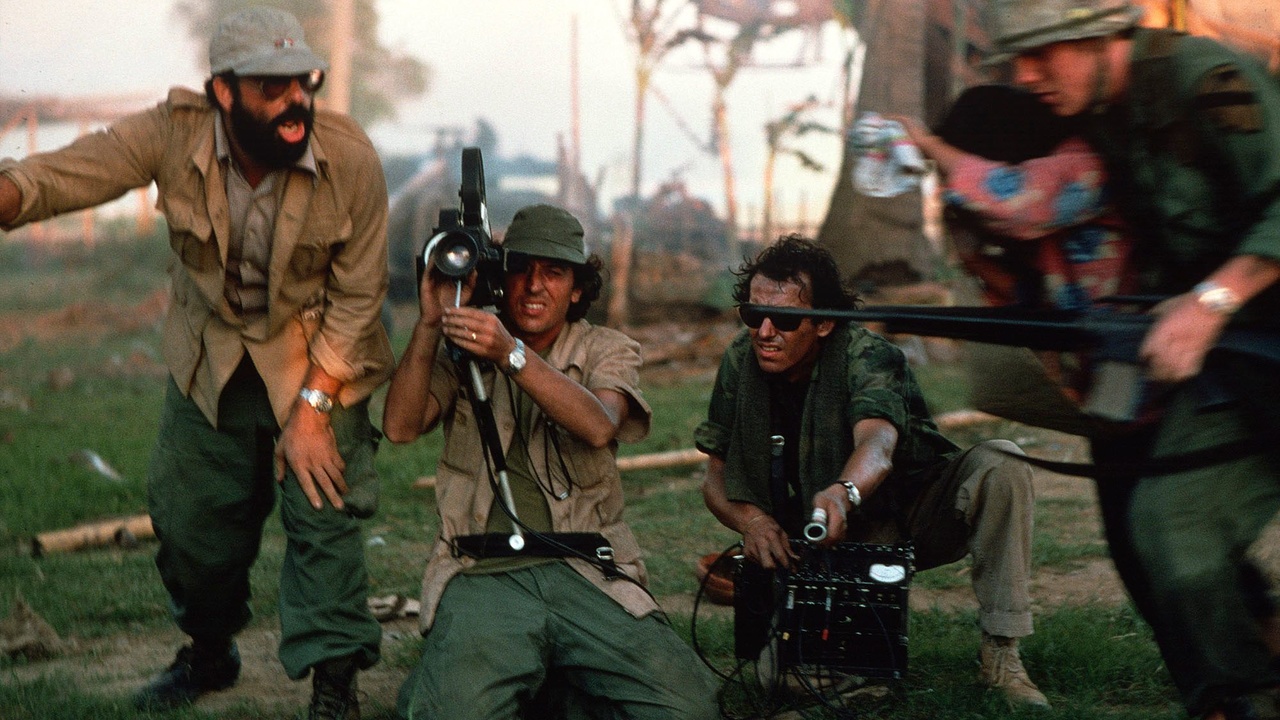
Hearts of Darkness: A Filmmaker’s Apocalypse (1991)
Heralded as one of the greatest “making-of” documentaries ever produced, “Hearts of Darkness: A Filmmaker’s Apocalypse” is far more than a conventional behind-the-scenes feature. It’s a raw psychological portrait of artistic obsession—and an intimate film school for movie lovers. Francis Ford Coppola famously described “Apocalypse Now” by saying, “My film is not a movie… It is not about Vietnam. It is Vietnam.” The documentary demonstrates just how eerily the production came to mirror the film itself, as Coppola and his enormous Hollywood production ventured into the Philippine jungle, underestimated the environment, lost logistical control, and gradually descended into chaos.
What makes “Hearts of Darkness” so extraordinary is its unprecedented intimacy. Rather than presenting a polished promotional portrait of filmmaking, the documentary draws heavily on footage and secretly recorded audio captured by Coppola’s wife, Eleanor. Her access allowed cameras and microphones to capture the director at his most vulnerable, including private recordings in which Coppola expresses genuine fear that he is making an expensive, pretentious failure that could financially destroy his family. The result is a remarkably unguarded portrait of a filmmaker wrestling with enormous creative and personal pressure.
Then there are the production disasters, so outrageous they sound like Hollywood fiction: Harvey Keitel being replaced early in the shoot, Martin Sheen suffering a serious health crisis, Dennis Hopper struggling with substance use, and Marlon Brando arriving dramatically overweight and initially unfamiliar with the source material while demanding that his character be photographed largely in shadow. Each catastrophe seems to push the production closer to collapse, yet Coppola continues fighting to somehow bring his increasingly impossible vision to the screen.
For cinephiles, that is what makes “Hearts of Darkness” such an invaluable masterclass in the sheer logistics, psychology, and philosophy of filmmaking. It completely demystifies the “director as god” mythology, revealing a brilliant auteur who is also profoundly fallible—rewriting scenes at night and struggling to figure out how his own movie should end. Most remarkably, the documentary captures the almost miraculous process by which an apparently uncontrollable production nightmare was ultimately transformed into one of the most ambitious films in American cinema.
*************************************************
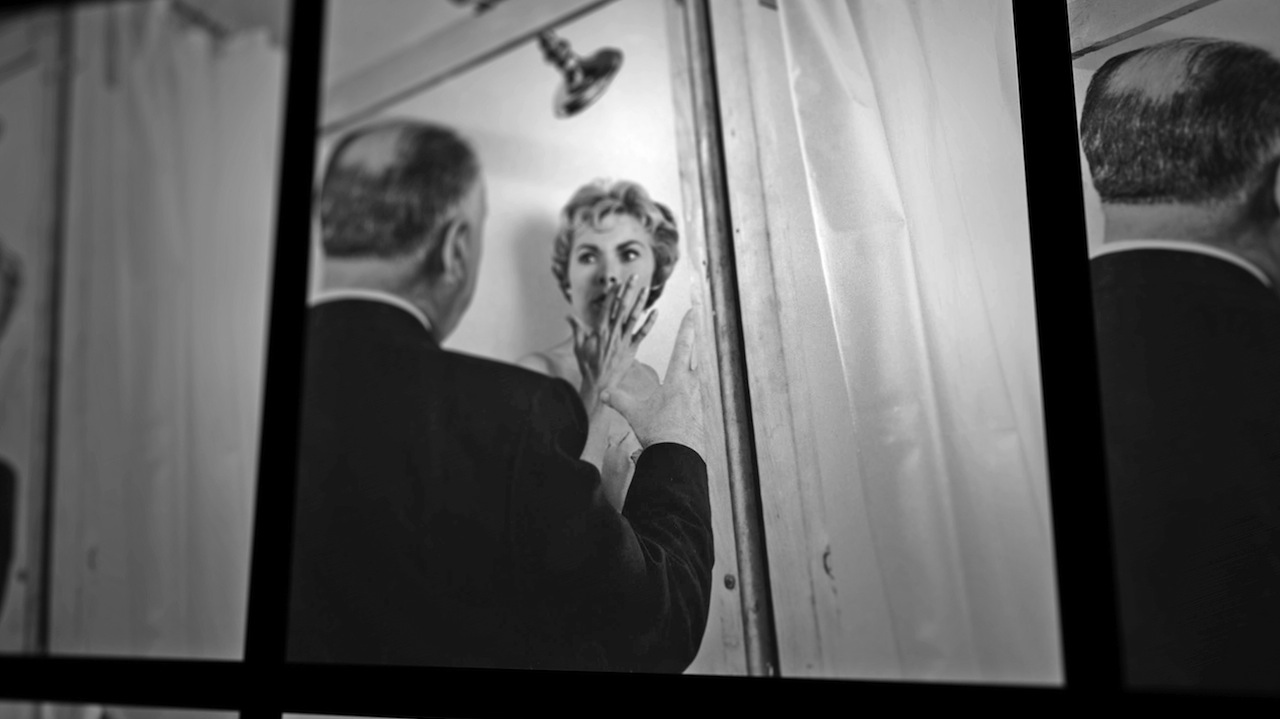
78/52: Hitchcock’s Shower Scene (2017)
I absolutely love “Psycho”, so “78/52: Hitchcock’s Shower Scene” is exactly the kind of “making-of” documentary I could watch endlessly. Directed by Alexandre O. Philippe, the film does something wonderfully obsessive: instead of attempting to tell the entire story of “Psycho”, it spends the entire documentary dissecting one of the most famous sequences in movie history—Alfred Hitchcock’s legendary shower scene. What could have been a simple behind-the-scenes feature becomes a fascinating exploration of how a single scene can change the language of cinema.
The title “78/52” refers to the scene’s technical blueprint: 78 camera setups and 52 edits. For a sequence lasting less than three minutes, the sheer number of shots was extraordinary. The documentary reveals that Hitchcock and his crew spent seven days of the film’s 30-day shooting schedule creating this sequence. Cinephiles are treated to a frame-by-frame masterclass in cinematography, editing, sound, performance, and visual storytelling, examining how Hitchcock created the illusion of shocking violence without actually showing the knife penetrating Janet Leigh’s body.
What makes the documentary especially fascinating is its exploration of how Hitchcock manipulated the audience’s imagination. The terror comes largely from what we think we see rather than what is actually shown. Rapid editing, Bernard Herrmann’s unforgettable score, Saul Bass’s striking visual design, Leigh’s performance, and Hitchcock’s precise camera placement combine to create a sequence that feels far more graphic than it really is. The documentary demonstrates just how much psychological power a filmmaker can generate through suggestion, rhythm, and editing.
For cinephiles, “78/52” is essentially an intimate film school devoted to three minutes of movie history. It shows how Hitchcock’s shower scene helped shatter the conventions and moral restrictions of the classical studio era, paving the way for a more visceral—and increasingly fearless—kind of American filmmaking. As Peter Bogdanovich observes in the documentary, it created the terrifying realization that, for perhaps the first time, “it wasn’t safe to be in the movie theater.” And that is the magic of “78/52:” it makes you appreciate a scene you may have watched dozens of times by revealing just how much genius is hiding in every cut.
*************************************************
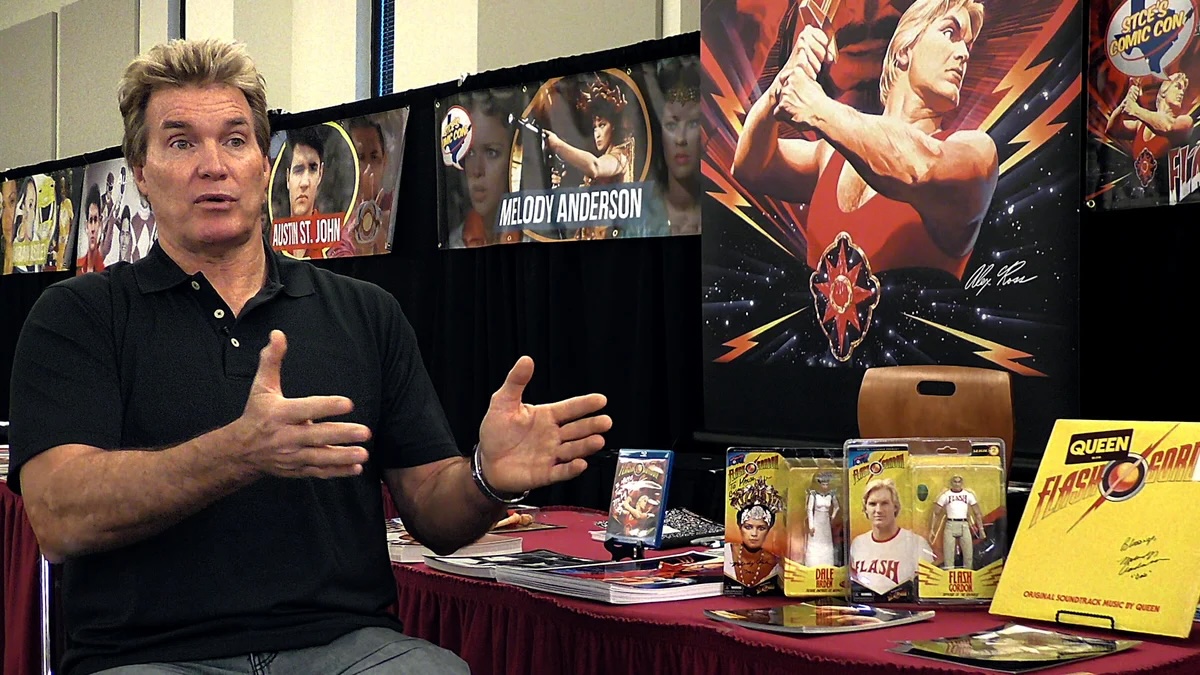
Life After Flash (2019)
“Life After Flash” is a fascinating, deeply humanizing study of Hollywood fallout, missed opportunities, and personal redemption. While it chronicles the chaotic production of the cult classic “Flash Gordon” (1980), what makes it so compelling to cinephiles is its exploration of the bitter clash between young star Sam J. Jones and legendary producer Dino De Laurentiis. Their relationship deteriorated so badly that Jones ultimately left the production before post-production was completed, resulting in his dialogue being dubbed by another actor. For a young performer whose career was supposed to take off, the experience had devastating professional consequences.
The documentary features an extraordinary roster of “Flash Gordon” cast and crew, including Melody Anderson, Topol, Peter Wyngarde, and Queen’s Brian May. Film buffs will especially enjoy the hilarious, completely unfiltered recollections from veterans such as Brian Blessed, whose larger-than-life personality perfectly matches the outrageous spirit of the film. Their stories about director Mike Hodges, De Laurentiis’ determination to make the movie increasingly campy and extravagant, and the bizarre atmosphere surrounding the production are exactly the kind of behind-the-scenes revelations that traditional studio featurettes rarely provide.
But what elevates “Life After Flash” beyond a conventional making-of documentary is its deeply personal examination of what happened to Jones after the cameras stopped rolling. The film follows his struggles with a fading career and profound personal difficulties before ultimately documenting his journey toward rebuilding his life, becoming a family man, and finding purpose through private security work and charity. At the same time, it celebrates how “Flash Gordon” eventually became a beloved cultural phenomenon that inspired artists and filmmakers including Alex Ross, Robert Rodriguez, and Mark Millar. Rather than mocking the passionate Comic-Con community that embraced the movie, the documentary shows how that fandom ultimately helped give Jones something he had lost decades earlier: a renewed sense of purpose and connection to the film that changed his life.
*************************************************
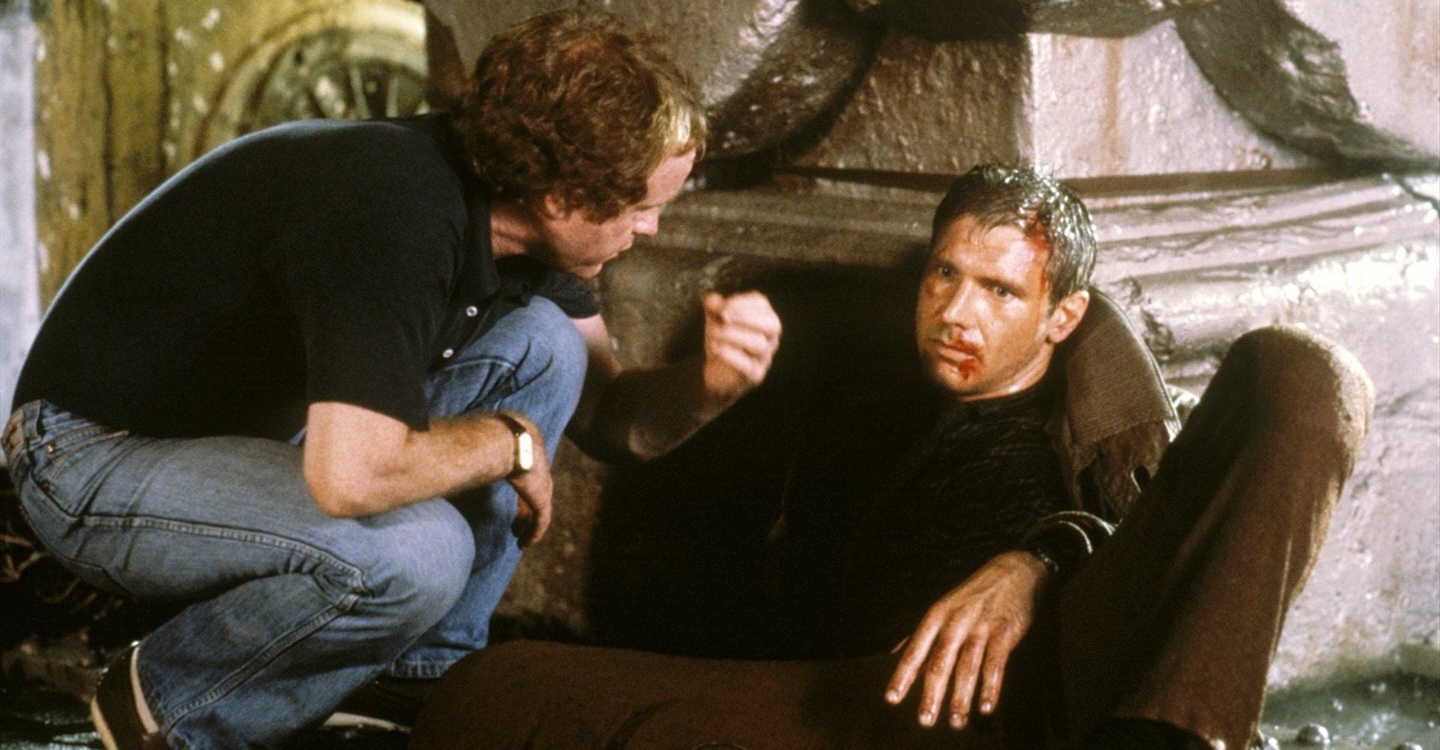
Dangerous Days: Making Blade Runner (2007)
Directed by Charles de Lauzirika, “Dangerous Days: Making Blade Runner” is an unusually comprehensive “making-of” documentary. Running three and a half hours, it gives the troubled production of “Blade Runner” room to breathe, exploring the tension between director Ridley Scott and the American crew, the exhaustion of the night shoots, and the creative disagreements surrounding the screenplay, performances, and final cut. Rather than presenting a polished studio retrospective, the documentary gives a candid account of how difficult the production became.
Lauzirika conducted more than 80 interviews, bringing together many of the key figures involved with the film. Ridley Scott, Harrison Ford, Rutger Hauer, Sean Young, and visual-effects pioneer Douglas Trumbull all offer firsthand perspectives on the experience. The documentary also goes deep into the craft behind the film, examining Jordan Cronenweth’s cinematography, Syd Mead’s futuristic production designs, and the practical techniques involving rain, smoke, miniatures, and lighting that helped create Blade Runner’s distinctive visual world.
Ultimately, “Dangerous Days” works as a companion piece that adds considerable context to “Blade Runner”. It shows how the film’s visual style emerged from a combination of artistic ambition, technical ingenuity, production problems, and countless compromises. For cinephiles, that behind-the-scenes perspective makes a return to “Blade Runner” even more rewarding, because you begin to recognize the ideas, experiments, and hard-won solutions behind what appears on screen.
*************************************************
The Making of Jaws (1995)
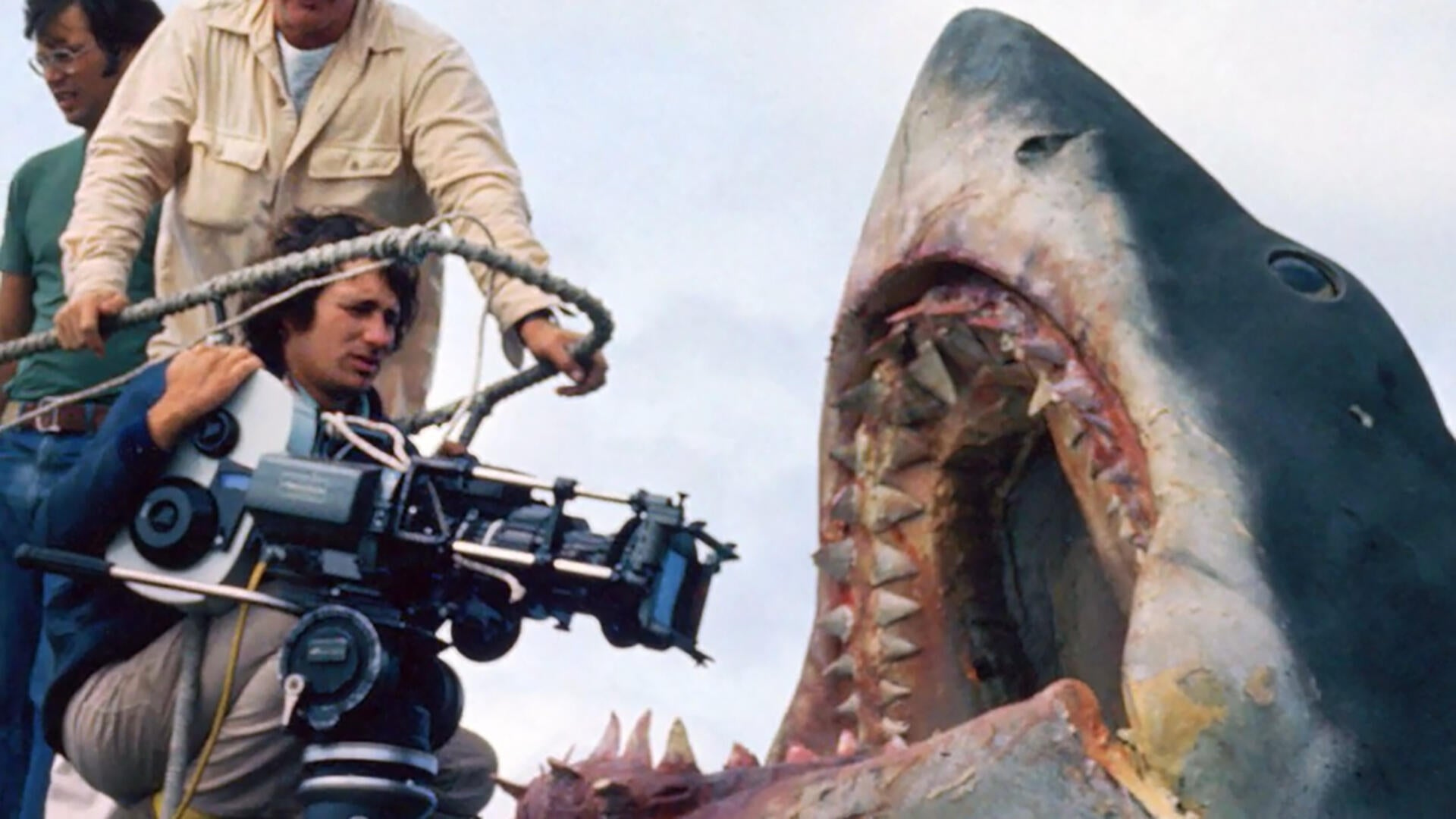
Laurent Bouzereau’s “The Making of Jaws” is widely regarded by cinephiles as one of the gold standards of behind-the-scenes documentaries. Originally created for the pioneering 1995 LaserDisc release, it helped establish the substantive, film-buff-oriented “making-of” documentary that would later become a staple of DVD and Blu-ray special features. What makes it so terrific is its honesty and depth, featuring virtually the entire principal cast and crew—including Steven Spielberg, Richard Dreyfuss, Roy Scheider, screenwriter Carl Gottlieb, and editor Verna Fields—who provide fascinating, firsthand perspectives on virtually every stage of the troubled production.
Cinephiles especially love how the documentary demonstrates that some of the film’s greatest creative breakthroughs came directly from its production disasters. When the mechanical shark repeatedly malfunctioned, Spielberg was forced to rethink how he would tell the story, relying on suggestion, point-of-view shots, and Hitchcockian suspense rather than constantly showing the creature. The documentary also explores the chemistry—and tensions—among the three leads aboard the Orca, revealing how the personalities and off-screen friction between Roy Scheider, Richard Dreyfuss, and Robert Shaw helped create such a compelling dynamic on screen. For film lovers, watching a young Spielberg battle production chaos and the very real possibility of career disaster before ultimately making one of the most influential films in Hollywood history is endlessly fascinating.
And then there’s one of my favorite moments in the entire movie: the story behind Robert Shaw’s unforgettable USS Indianapolis monologue. The documentary provides fascinating details about how that extraordinary scene evolved, making you appreciate even more the power of Shaw’s performance and the craftsmanship behind it. For anyone obsessed with how movies are actually made, “The Making of Jaws” is essential viewing. It doesn’t just celebrate the finished film—it reveals the chaos, accidents, creative problem-solving, and sheer determination that helped turn Jaws into a cinematic masterpiece. Two thumbs up!
*************************************************
Still Working 9 to 5 (2022)
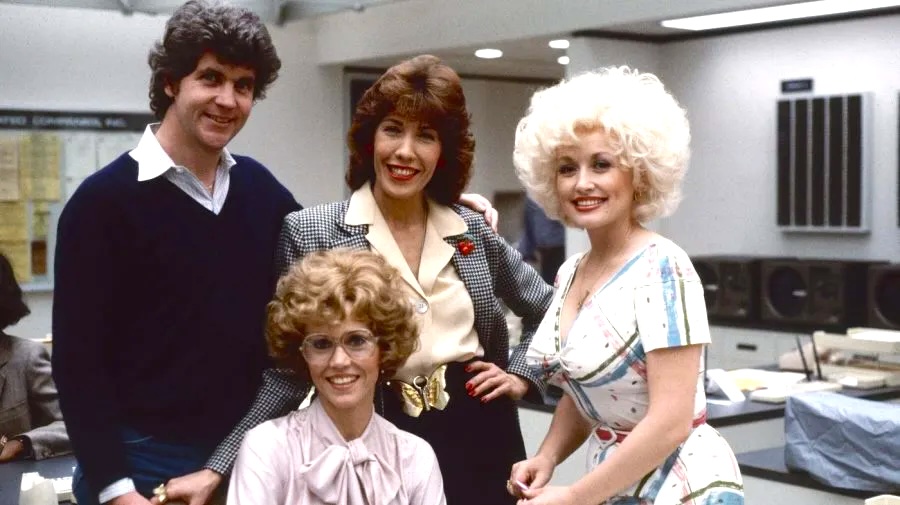
Just for full disclosure, “Still Working 9 to 5” was made by two of my personal friends, Gary Lane and Larry Lane, who served as director/producer and executive producer. But my enthusiasm for this remarkable documentary—and its inclusion on this list—would be exactly the same even without that personal connection. Directed and produced by Camille Hardman and featuring Gary and Larry Lane among its producers, the film goes far beyond standard behind-the-scenes trivia. It uses the making and legacy of “9 to 5” to explore the very real issues of workplace inequality, gender discrimination, and labor rights that inspired the original film.
The documentary reunites Jane Fonda, Lily Tomlin, Dolly Parton, and Dabney Coleman for candid, funny, and deeply personal reflections on the making of “9 to 5,” including how Tomlin initially turned down the script and how Fonda helped spearhead the project. It also features Rita Moreno, Allison Janney, and prominent women’s rights advocates and activists, including Lilly Ledbetter, Zoe Nicholson, Karen Nussbaum, and Ellen Cassedy, alongside women from different generations sharing their own workplace experiences. Cinephiles will appreciate how the documentary connects the Hollywood comedy to the real-world labor and feminist movements of the 1970s, demonstrating how a mainstream studio movie could use humor as a surprisingly powerful vehicle for social commentary.
What makes “Still Working 9 to 5” particularly moving is the realization that many of the issues addressed by the original film—including gender pay inequality, inadequate childcare, and workplace sexism—remain part of the conversation decades later. And for me, seeing the fabulous Dolly Parton reflect on her first movie is an especially poignant treat. Her story about being so nervous that she thought she needed to learn everyone else’s lines before stepping onto the set is absolutely delightful. “Still Working 9 to 5” is both a fascinating piece of Hollywood history and a wonderful celebration of a movie—and a woman—who left an unforgettable mark on popular culture. Dolly may be gone, but seeing her here, sharing her memories and her infectious spirit, makes this documentary feel like an especially precious time capsule.
*************************************************
Some of the facts featured in this article were sourced from IMDb and Wikipedia.
To my fellow movie lovers, I hope this collection of Great “Making Of” Documentaries leaves you inspired to revisit some old favorites—and discover a few you may have missed. From the legendary Hollywood battle chronicled in “The Battle Over Citizen Kane”, to the beautifully documented chaos of “The Making of Jaws”, the social history explored in “Still Working 9 to 5”, and the wonderfully bizarre Hollywood nightmare uncovered in “Boorman and the Devil”, these documentaries prove that sometimes the story behind a movie can be every bit as fascinating as the movie itself. For cinephiles like me, there is nothing better than peeling back the curtain and discovering the creative battles, accidents, personalities, egos, triumphs, and disasters that helped bring our favorite films to life.
And if this article has you craving even more Hollywood history, be sure to check out my fascinating two-part conversation with documentary filmmaker David Kittredge on Hollywood Obsessed Podcast in Episodes 189 & 190. David takes me behind the scenes of his acclaimed documentary “Boorman and the Devil”, sharing the incredible story behind its creation and the extraordinary journey of uncovering the truth about the troubled production of “Exorcist II: The Heretic.” It’s a candid, entertaining, and deeply fascinating conversation about filmmaking, obsession, perseverance, Hollywood history, and the passion it takes to tell a story you simply believe needs to be told.
If you’re fascinated by the stranger-than-fiction stories behind Hollywood movies, this is one conversation you absolutely won’t want to miss!
Listen to my Full Conversation with David Kittredge
Episode 189: HERE
Episode 190: HERE

Growing up on the East Coast, Tony Miros developed a passion for acting at an early age, studying at New York City’s renowned Herbert Berghof (HB) Studio. He later attended Walnut Hill School for the Performing Arts in Natick, Massachusetts, where he trained in theater, dance, and voice.
Returning to New York to complete high school at The Beekman School, Tony began working professionally, appearing in commercials and making his Off-Broadway debut in "The House with the Seven Balconies" (La Casa de los Siete Balcones) alongside his mother, acclaimed actress and radio talk show host Gilda Mirós.
Tony continued his theater studies at Whittier College in Southern California before pivoting away from acting and relocating to Miami Beach, where he launched a successful career in public relations. It was there that he found his distinctive voice as a writer, creating the popular nightlife column "Beyond the Velvet Rope" for Miami Metro Magazine. The column established him as a celebrated South Beach personality, earning him the moniker “Mr. Nightlife.” Over the past two decades, Tony has built a diverse writing career, contributing to national and international publications including Angeleno Magazine, ReFresh Magazine (UK), and Time Out.
After moving to Los Angeles in 2005, Tony joined Warner Bros. Studios as a VIP Tour Guide before transitioning into casting at the Emmy Award-winning Bunim/Murray Productions. There, he worked on major series including MTV’s "The Real World" (Denver, Sydney, Hollywood), "Road Rules: … Read More
Trivia - Exorcist II The Heretic